
Plot 1


Case studies Ecological case study
Large-scale ecological restoration transforming severely degraded land into a resilient, multi-layered forest ecosystem—Miyawaki-inspired afforestation adapted to arid local conditions.
Implemented for SPEC India · Makarba, Gujarat

Restoration was implemented across three interconnected plots totaling 5.1 acres, with more than 92,000 trees and plants representing 360+ species and cultivars established through phased interventions. Progressive phasing enabled adaptive ecological refinement, expanded biodiversity integration, and long-term landscape stabilization.
The primary objective was to rehabilitate a heavily degraded construction waste site into an ecologically established, multi-layered forest ecosystem capable of long-term biodiversity regeneration—prioritizing ecological resilience and system development over ornamental plantation outcomes.
Each phase introduced increasing ecological complexity, expanded species diversity, and refined planting strategies based on observations from prior establishment cycles.
July 2023
20,000 plants · 1.1 acres
July 2024
40,000 plants · 2.25 acres
July 2025
32,000 plants · 1.75 acres
Phase 1/2
Ground-level before and after views across the primary planting plots — October 2022 baseline compared with January 2026 establishment.


Phase 1–3
Aerial comparison of canopy closure across the Makarba community Miyawaki high-density planting area — October 2022 baseline versus October 2025 establishment.


Phase 1 (July 2023 – July 2025) is complete. Phase 2 planting is scheduled for completion during the current year. Active maintenance and watering were concluded at 24 months; the established plots are now self-sustaining through natural rainfall and regenerated soil function — no watering, no weeding, no intervention since maintenance concluded.
This project demonstrates the viability of transforming severely degraded landscapes into rapidly developing regenerative ecosystems under extreme climatic stress—distinguished from conventional monoculture plantation by scale, species diversity, and phased biodiversity-first design.
Prior to intervention, the site exhibited severe ecological degradation and long-term environmental stress.

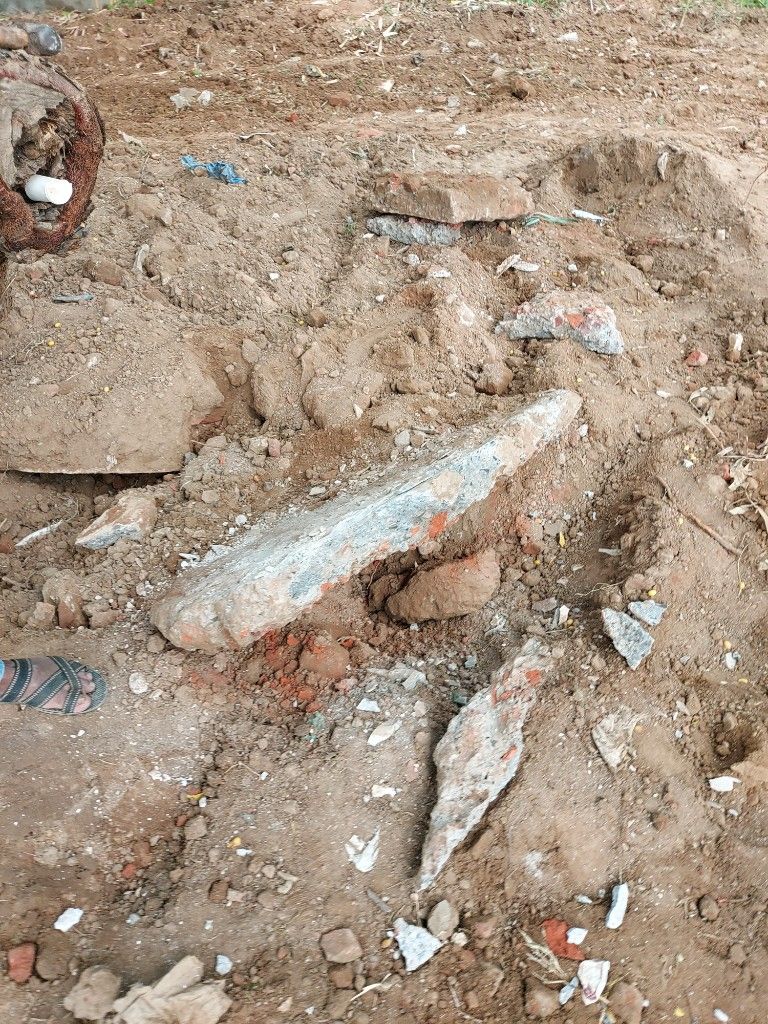
Construction debris, household plastic waste, rubble, and mixed inorganic material disrupted surface continuity and significantly reduced ecological viability.
Sandy and structurally weak; low organic matter; highly compacted where debris accumulated; poor moisture retention. Biological activity was extremely limited.
Poor infiltration, compaction, and blocked percolation drove alternating cycles of extreme dryness and seasonal monsoon flooding.
Absence of vegetation caused high surface temperatures, rapid moisture loss, and lack of thermal buffering—the land remained exposed and climatically unstable.
Heavy dominance of Prosopis juliflora (Gando Baval) suppressed native regeneration and reduced biodiversity complexity.
Minimal habitat diversity, low pollinator activity, and absence of structured ecological layers—the ecosystem was functionally degraded and biologically inactive.


The plantation was designed as an ecologically functional forest ecosystem—not a conventional plantation—with multi-layer architecture, native functional diversity, and high-density logic to accelerate canopy closure and biomass accumulation.
Microclimate regulation, wind reduction, moisture retention, and rapid canopy closure.
Species distributed by functional role, root depth variation, shade tolerance, and growth speed—improving soil aeration, nutrient cycling, and habitat complexity.
Pioneer species for soil conditioning, shade creation, and biomass generation; natural filtering transitions the system toward stable forest structure over time.
Organic matter buildup, microbial activation, fungal network development; increased infiltration, reduced runoff, and enhanced soil moisture retention across the plantation.
Field operations combined mechanical and manual site recovery with precision planting, mulching, staking, and tanker-based establishment irrigation at operational scale.

| Team | Size | Capacity |
|---|---|---|
| Tree procurement | 8 members | ~5,000 trees / day |
| Planting | 12 members | ~150 trees / person / day |
| Staking | 12 members | ~200 trees / person / day |
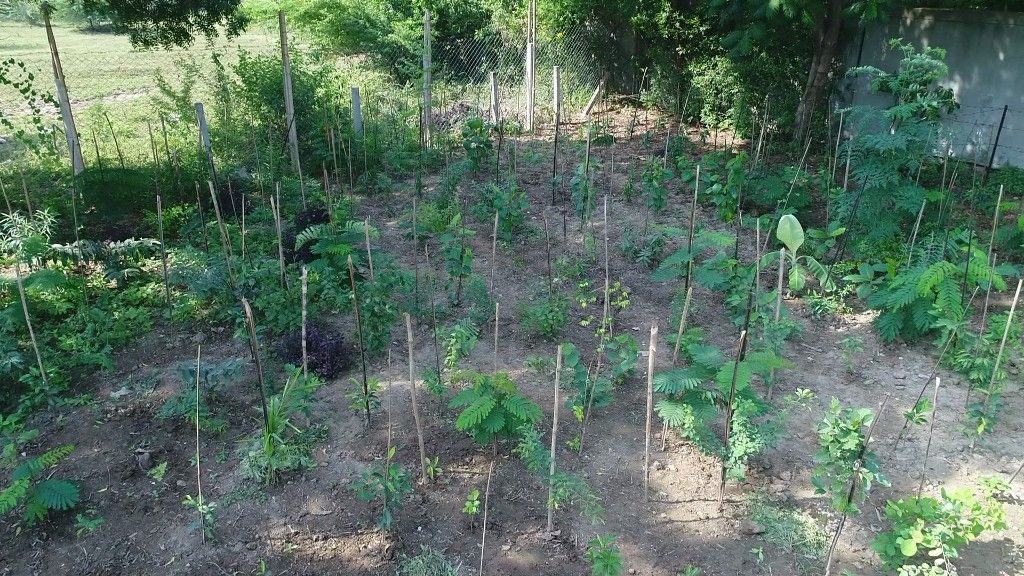

Rapid biomass accumulation indicates strong ecosystem establishment.
The site now supports birds, reptiles, amphibians, mammals, and pollinators. Observed species include mongoose, cobra, monsoon frog populations, bats, peacocks, and bee-eaters.
This project demonstrates the successful transformation of a heavily degraded construction waste site into a functioning, biodiverse, and self-regenerating forest ecosystem. Through phased implementation, high-density planting, and ecological system design, the site has transitioned from environmental collapse to active ecological regeneration.
Free download
A research-backed brief on the tangible and intangible societal benefits of Miyawaki afforestation — carbon sequestration, air quality, cooling, biodiversity, employee wellbeing, and community impact. Mapped to BRSR Principles and UN SDGs.