

Miyawaki Plantations · CSR & ESG · India
Miyawaki CSR plantations that fulfill your mandate.
High-density native polyculture plantations for CSR foundations — measurable biodiversity, carbon sequestration, and community impact, with documentation built for Section 135 compliance.

Implemented for SPEC India · 5.1 acres · 92,000+ plants · Makarba, Gujarat
Proof
24 months from bare soil to closed canopy.
Every plantation is documented from day one — soil preparation, species selection, growth rates, and survival counts. Your CSR team gets evidence, not promises.


Why Gardenia
Five things that don't sound like promises — because they're measurements.
30×
Planting density
Thirty times conventional plantation density. Faster canopy closure, more biomass per acre, and accelerated ecological establishment.
200+
Native species
Not a monoculture. Multi-layered native polyculture adapted to local soil, climate, and biodiversity goals — 200+ species and 360+ varieties in active rotation.
BRSR
Compliance-ready
Section 135, Schedule VII, BRSR Principle 6, and CER documentation built into every project. Reporting your board needs, structured for ESG disclosures.
Real
Monitoring
Survival counts, growth data, photographic evidence, and satellite imagery — not promises. What we report is what stands on the ground.
90%+
Survival rate
Documented survival rate from our flagship 5-acre project — with gap replacement through the first two monsoon cycles.

Method
The Miyawaki method, engineered for Indian conditions.
Four vertical layers of native species, planted at 30x conventional density. Canopy closure in 3–5 years. Biomass accumulation rates comparable to highly productive natural forests — and we monitor every step for your CSR reporting.
- Native matrix: karanj (Millettia), desi babul (Vachellia nilotica), neem, and layered understory for pollinators and birds.
- Water ethics: infiltration, mulch discipline, and irrigation taper plans suited to groundwater stress and monsoon cycles.
- Compliance-ready: species lists, survival counts, and growth documentation formatted for Section 135 CSR reporting and BRSR Principle 6 environmental disclosures.
Impact
Metrics are conservative, site-specific, and monitored — built for CSR reporting, not marketing.
30×
denser planting than conventional afforestation — more leaf surface, faster canopy, more biomass per acre.
200+
native species curated for Indian biomes — 360+ varieties across canopy, shrub, and ground layers.
3–5
years to canopy closure — with establishment stewardship in the first monsoon cycles.
CO₂
biomass and soil carbon modeled for your parcel, soil, and irrigation boundary — not a generic calculator.
Partnership Models
CSR deployment, from pilot to plantation at scale.
Want to implement directly without an agency? See our direct implementation guide for CSR afforestation under Rule 4(1).
CSR & CER Plantations
Corporate forests for CSR mandates and Corporate Environmental Responsibility. Board-ready planting, community engagement, compliance greenbelts, and measured biodiversity impact.
DetailsLarge-scale Ecological Restoration
Multi-acre degraded land, watershed repair, and native biodiversity corridors. Phased implementation with aerial documentation, succession planning, and long-term monitoring.
DetailsAgroforestry
Productive native tree systems combining ecological restoration with agricultural yield — fuel, fodder, fruit, and timber species integrated into multi-layered forest layouts.
DetailsCase Study
5.1-acre Miyawaki plantation — from degraded land to native forest.
A 5.1-acre site transformed using high-density native polyculture. Soil biology rebuilt, 360+ native species planted, and canopy closure tracked across three monsoon cycles. The kind of documented outcome your CSR board needs to see.
Implemented for SPEC India · Makarba, Gujarat
Read the full case study
Insights
Guidance for CSR teams navigating afforestation compliance.
Practical articles on Green Credit rules, BRSR reporting, species selection, and plantation economics — written for decision-makers, not browsers.
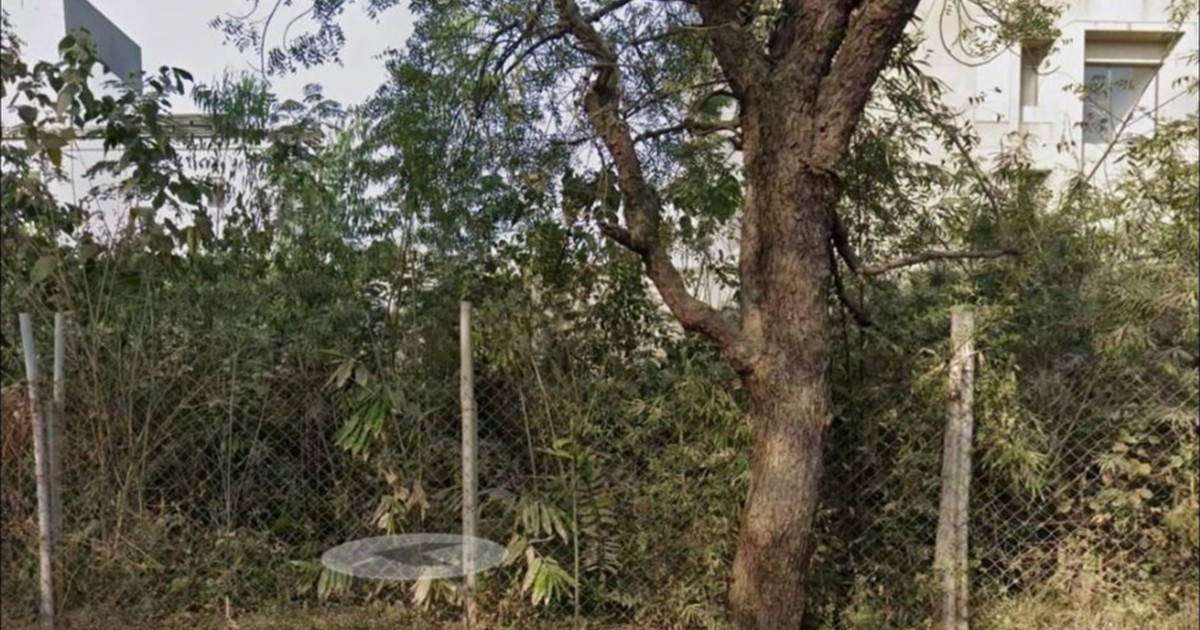 Gujarat Species Guide
Native Species for Gujarat Afforestation: A Site-Specific Selection Guide
Gujarat has six bioclimatic zones and three soil types. A practical guide to matching species to your site's real conditions.
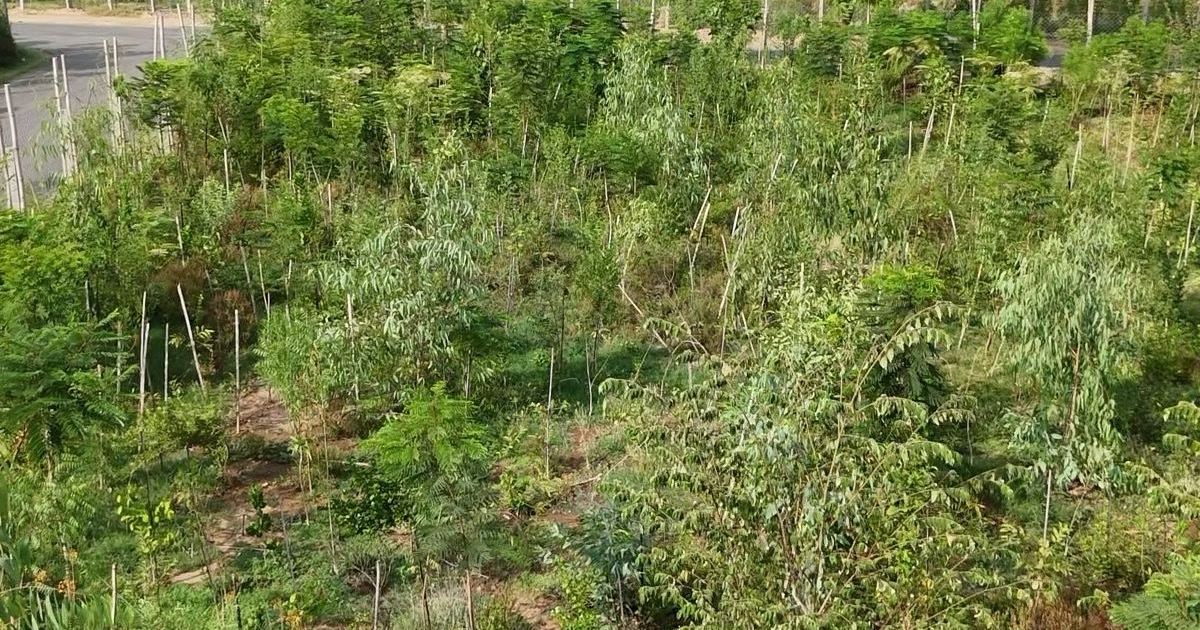 Species Science
Species Selection in CSR Afforestation: Why Gardenia's 616-Species Library Changes the Outcome
Why planting the right native species matters more than tree count. How a 616-species library improves survival, biodiversity, and audit-ready outcomes.
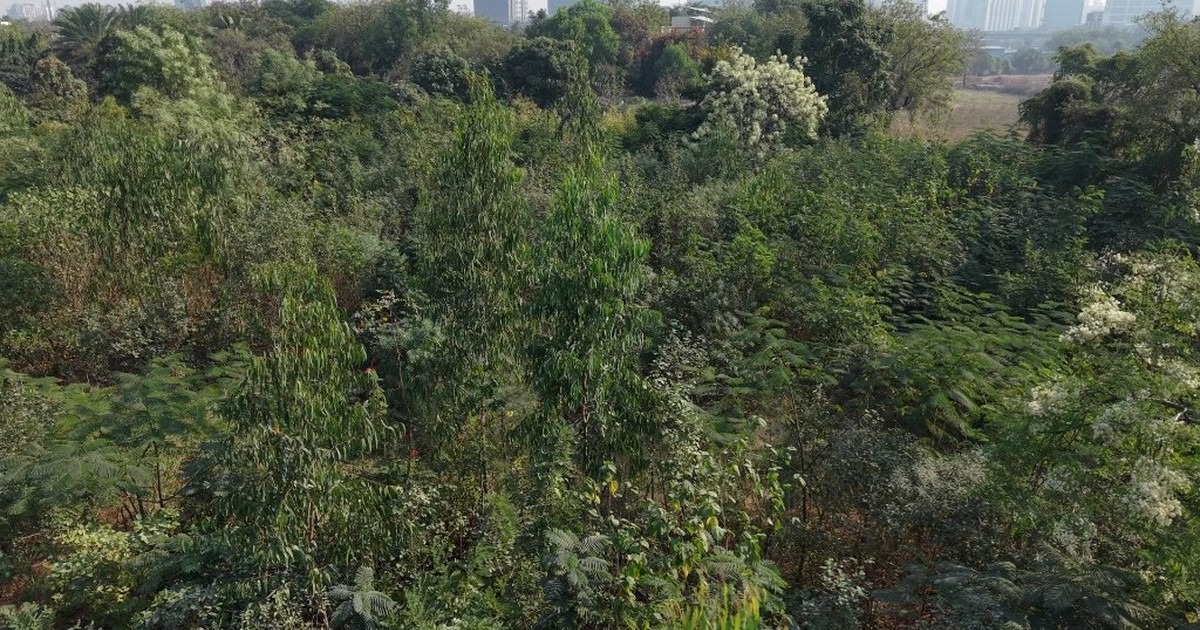 Trust & Accountability
Beyond the Photo-Op: How to Design CSR Tree Plantation Projects That Actually Survive
Why most CSR tree plantations fail within two years — and how to design projects that survive. Real survival data, maintenance design, and monitoring systems.
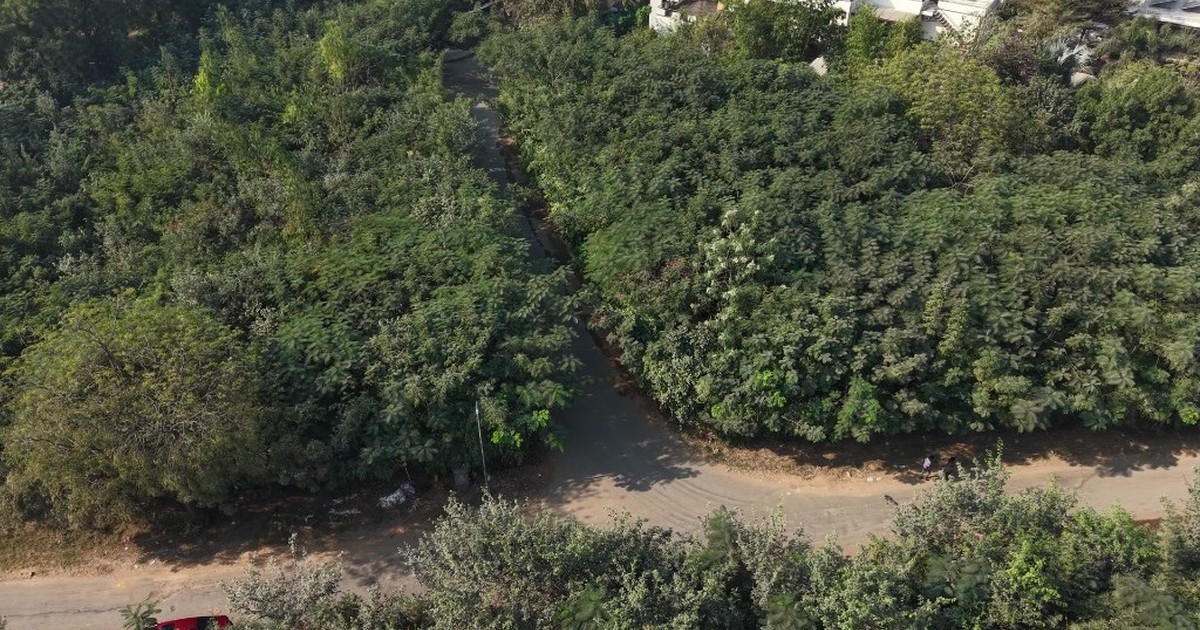 CSR Strategy
The CSR Decision Framework for Afforestation: A 2026 Guide for Indian Companies
Before you allocate a rupee of CSR budget to tree plantation, work through this framework. Method choice, site selection, budget planning, and regulatory alignment.
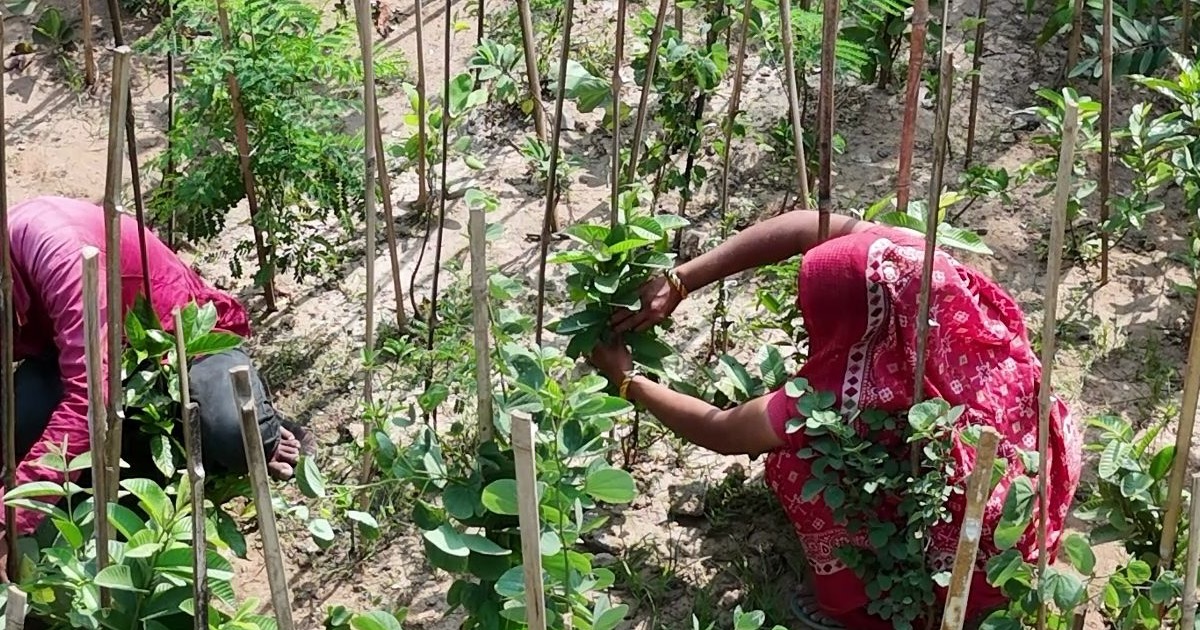 CSR & ESG Compliance
The Green Credit Programme 2025: What Changed and What It Means for Your CSR Strategy
The August 2025 notification shifted credit issuance from tree-count to verified survival with 40% canopy density over five years.
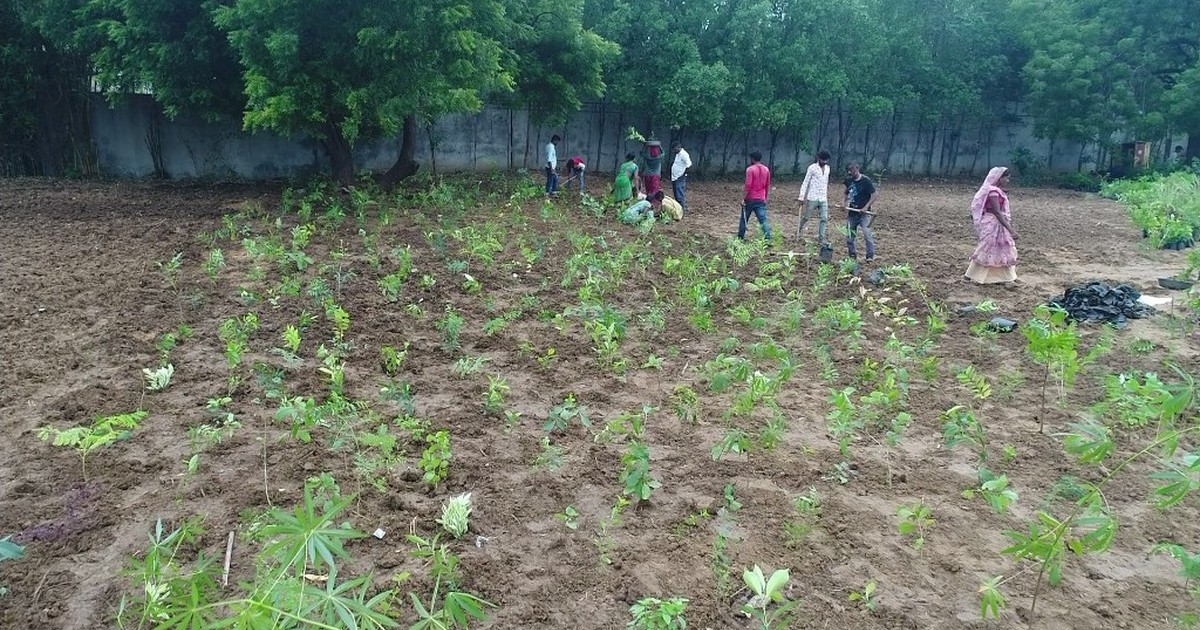 CSR Procurement
How to Choose a CSR Tree Plantation Partner: A 12-Point Checklist
The vendor you choose determines whether your CSR budget produces a forest or a line item. Twelve questions that separate implementation partners from contractors.
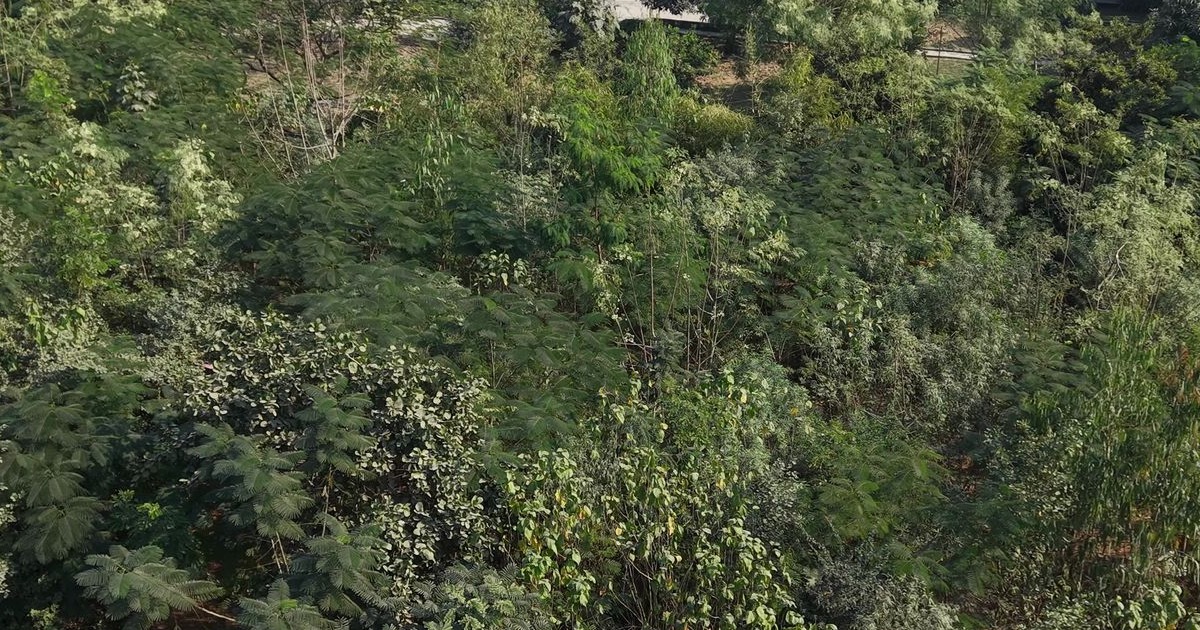 Cost Transparency
Miyawaki Forest Cost in India: What CSR Budgets Should Plan For in 2026
Transparent cost breakdown — per acre, per square foot, and per surviving tree. Real project data and a budgeting checklist for CSR teams.
Free download
The 12-point CSR tree plantation vendor checklist
Before you sign a CSR plantation contract, use this checklist to evaluate vendors on survival, species selection, monitoring, and compliance documentation.
Get a site-specific plantation plan.
Tell us your CSR budget, timeline, and target geography. We will respond with a plantation plan, species matrix, and impact projection.